
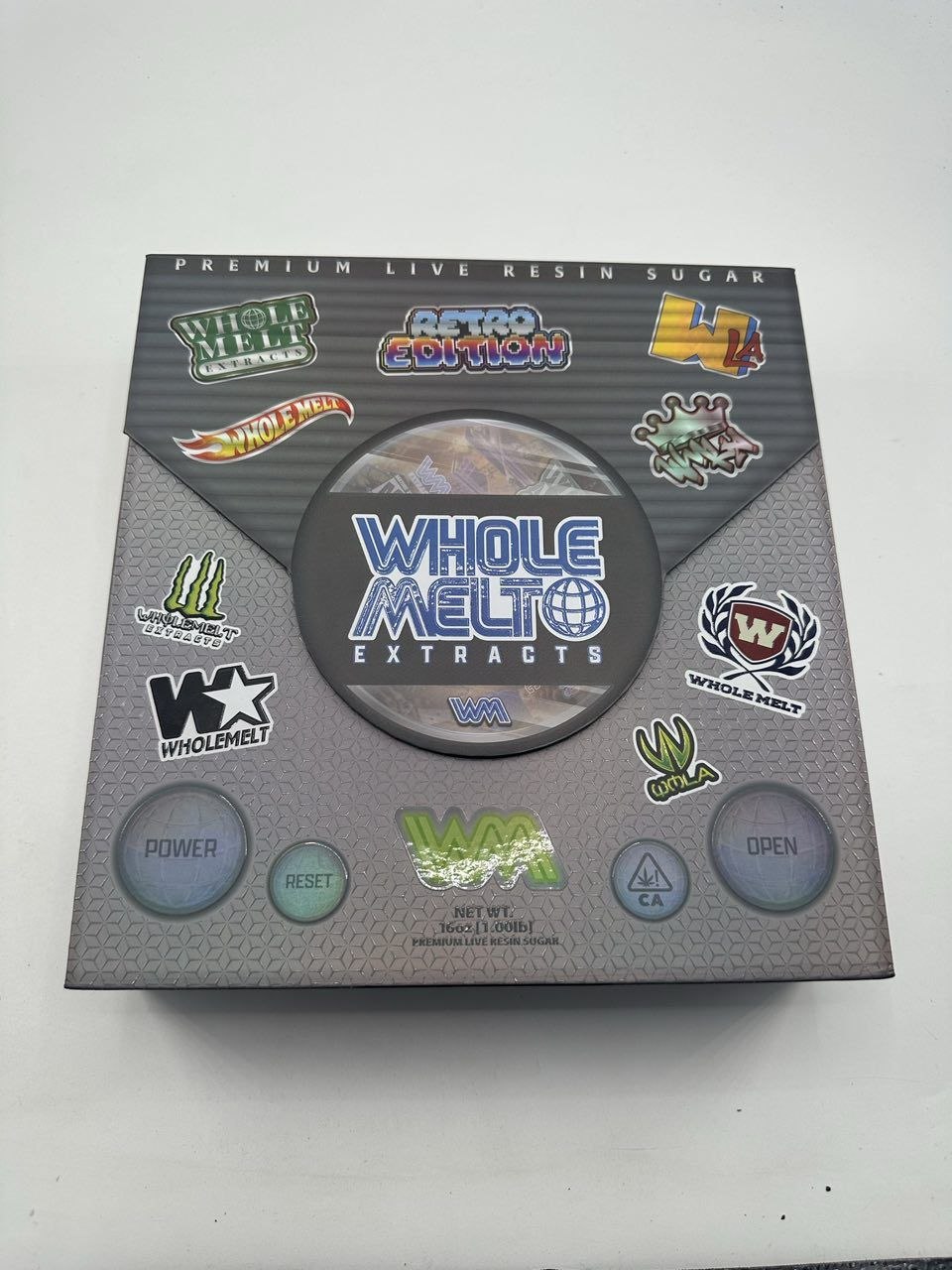
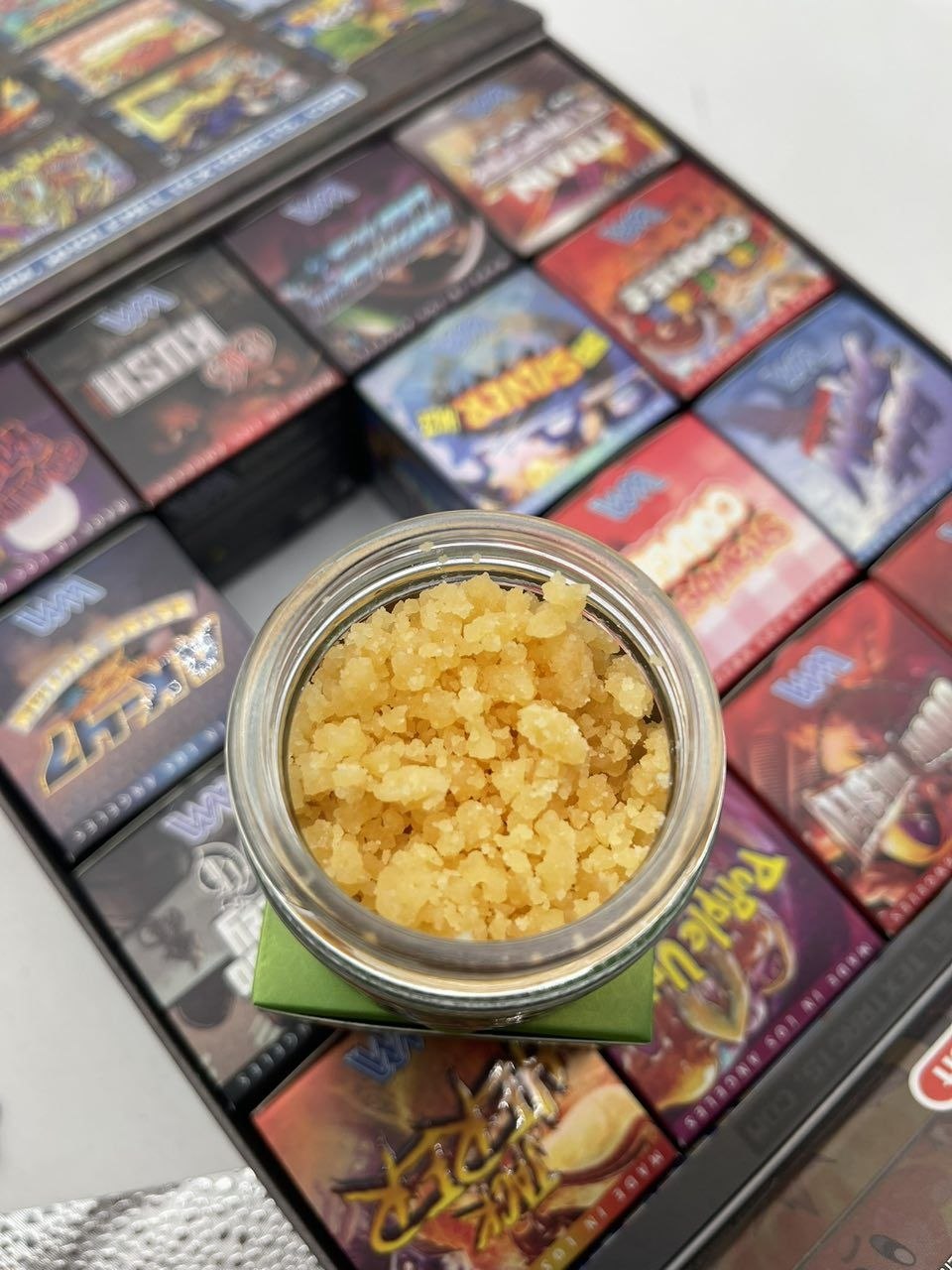
Wholemelt Extracts Retro Edition: Factual Product Overview
Introduction
wholemelt extracts retro edition is a product name associated with a cannabis extract product. However, publicly available search results did not provide a reliable manufacturer specification sheet or verified product page for the exact product named here. Therefore, this description avoids inventing information about cannabinoid concentration, extraction method, terpene composition, strain, ingredients, package size, laboratory results, or expected effects.
Instead, this overview explains how the product can be described accurately while leaving product-specific specifications for verification against the current packaging, certificate of analysis, or manufacturer documentation.
Clear product information matters because cannabis extracts can differ substantially even when they share a brand or product-line name. For example, two products from the same manufacturer may have different cannabinoid concentrations, formulations, batch numbers, or packaging. Consequently, information from one product should not automatically be applied to another.
The “Retro Edition” designation may identify a particular release, package design, collection, or formulation. Nevertheless, the name alone does not establish what makes the edition different from other Wholemelt Extracts products. That distinction should be confirmed through official product documentation.
A useful product description should therefore separate verified facts from general information. Furthermore, it should make technical details easy to find, avoid unsupported performance claims, and present safety information in straightforward language.
Product Identity
The exact product identity should be confirmed before publication. A complete listing should use the product name exactly as it appears on the manufacturer’s current packaging.
For the product discussed here, the available name is Wholemelt Extracts Retro Edition. Beyond that name, however, additional specifications should be treated as unverified unless they appear on an authoritative source.
Product identity can include several separate elements. First, the brand or manufacturer identifies the company responsible for the product. Next, the product-line name distinguishes the item from other offerings. Finally, batch information can identify a particular production run.
These details are important because formulations can change. Similarly, packaging can be redesigned, and a product can be released in different markets under different regulatory requirements.
Therefore, a retailer or publisher should compare the physical product with the information displayed on the product page before publication. If a discrepancy appears, the current manufacturer documentation should normally take precedence over an older description.
What the Product Name Communicates
The term “Extracts” indicates that the product belongs to a category involving concentrated cannabis material. Nevertheless, the name does not provide enough information to determine the precise extraction process or chemical composition.
Likewise, “Retro Edition” appears to function as an edition or collection identifier. It should not automatically be interpreted as a statement about age, formulation, potency, manufacturing date, or historical authenticity.
This distinction is useful because product names sometimes contain descriptive terminology that consumers can interpret in different ways. A responsible description should explain only what can be supported.
For example, if the manufacturer states that the Retro Edition uses a particular extraction technique, that technique can be included in the final product description. If the manufacturer does not provide such information, the description should not assume it.
Additionally, terminology associated with cannabis extracts can have different meanings across manufacturers. Consequently, technical terminology should be copied from verified product documentation rather than reconstructed from the product name.
Product Format
Cannabis extracts can be offered in multiple physical formats. These may include different textures, consistencies, containers, or preparation methods. However, the exact format of Wholemelt Extracts Retro Edition has not been independently verified from a reliable public specification source.
For that reason, the final listing should identify the physical format only after checking the package.
If the packaging identifies the product as a particular extract type, that information can be presented in a concise specification section. The description can then explain the general characteristics of that format without claiming that every product in the category is identical.
This approach improves readability while also protecting accuracy.
For instance, a product page might identify the product category, net contents, cannabinoid profile, and batch information near the top. Detailed handling and storage information can then follow below. As a result, readers can locate essential specifications quickly without searching through several long paragraphs.
Composition and Ingredients
The composition of Wholemelt Extracts Retro Edition should be taken directly from the current ingredient or product-information label.
No specific cannabinoid percentages should be inferred from the product name. Similarly, the presence of THC, CBD, minor cannabinoids, terpenes, botanical ingredients, or other compounds should be confirmed before those substances are mentioned as product characteristics.
This matters because extracts can have substantially different compositions. Even products with similar names can contain different concentrations or ingredient profiles.
If a certificate of analysis is available, the relevant results can be summarized in the product specifications. However, the certificate should correspond to the specific batch being described. A laboratory report from one batch does not necessarily establish the composition of every other batch.
Furthermore, a laboratory report should be interpreted in context. Testing may cover cannabinoids, contaminants, pesticides, residual solvents, microbial material, heavy metals, or other parameters, depending on the jurisdiction and testing program.
Therefore, a description should identify what was actually tested rather than implying that a laboratory report establishes characteristics that were not measured.
Cannabinoid Information
Cannabinoid information should be presented exactly as documented.
For example, a verified product label may provide percentages, total quantities, or both. Those figures should remain distinct because percentage concentration and total cannabinoid content communicate different information.
A product description should also avoid transforming a concentration figure into a guaranteed experience. Individual responses to cannabinoids vary, and product effects cannot be guaranteed from a numerical potency value alone.
Additionally, cannabinoid terminology can vary by jurisdiction. Some markets distinguish between total THC, delta-9 THC, THCA, CBD, and other compounds using specific labeling conventions. Consequently, the applicable label should be followed carefully.
If the product is sold in a regulated market, the retailer should confirm that the displayed cannabinoid information matches the legally required labeling.
Terpene Information
Terpenes may be relevant to the composition of some cannabis extracts. Nevertheless, no specific terpene profile should be attributed to Wholemelt Extracts Retro Edition without supporting documentation.
If the manufacturer provides a terpene list or batch-specific laboratory results, those details can be incorporated into the description. For example, the listing could identify the reported dominant terpenes and explain that the values correspond to the tested batch.
However, terpene presence should not automatically be translated into guaranteed sensory or physiological outcomes. Such claims require appropriate evidence and may also be restricted by applicable advertising rules.
A factual product page can instead describe documented composition. This allows readers to understand what has been reported without turning chemical information into an unsupported promise.
Extraction Information
The extraction method is another specification that requires verification.
Cannabis extracts can be produced using different processes, and those processes can influence the resulting composition and physical characteristics. However, the product name alone does not establish which process was used for Wholemelt Extracts Retro Edition.
If official documentation identifies the extraction method, that information should be stated accurately. If the documentation does not identify a method, the safest approach is to omit the claim.
This distinction becomes particularly important when terms associated with extraction are used as marketing language. A technical term should have a clear and documented meaning in the context of the specific product.
Furthermore, claims about purity, preservation of compounds, processing temperature, solvent use, or extraction efficiency should be supported by appropriate evidence. They should not be inferred from the brand name or edition title.
Batch Information
Batch information provides an important connection between a product and its supporting documentation.
A batch or lot number can help identify the production run associated with a particular package. If a certificate of analysis is available, the batch number can help establish whether the report corresponds to the product being described.
Therefore, product listings should preserve relevant batch information where appropriate and should avoid substituting information from an unrelated batch.
This is especially useful when products are updated over time. A formulation can change, packaging can be redesigned, or manufacturing procedures can be revised. Consequently, an old product description may eventually become inaccurate.
Retailers should review product pages whenever new inventory is received. In addition, photographs should be compared with the current packaging so that outdated labels are not represented as current ones.
Packaging
Packaging provides more than visual presentation. It can contain important product, regulatory, and safety information.
A complete description should correspond with the package that consumers actually receive. Therefore, the product name, net contents, ingredient information, cannabinoid data, warnings, manufacturer information, and batch details should be checked before publication.
Packaging may also contain legally required symbols or statements. These elements should not be removed or obscured merely to create a shorter product listing.
If the Retro Edition uses distinctive packaging, the design can be described factually after it has been verified. However, aesthetic observations should not be converted into claims about product quality.
For example, a package can be described as having a particular color scheme or edition marking if those features are visibly present. Conversely, statements suggesting that packaging proves authenticity or quality require appropriate supporting information.
Quality Verification
Quality claims should be supported by documentation rather than assumptions.
Where a certificate of analysis is supplied, the report can provide useful information about the tested sample. Nevertheless, consumers and retailers should check the report’s date, batch number, laboratory identity, and testing scope.
A laboratory result does not automatically establish that an entire product line has identical characteristics. Instead, it generally provides information about the sample that was tested.
Additionally, laboratory testing does not eliminate the need to follow storage and handling instructions. Product quality can be affected by environmental conditions after manufacture.
For this reason, a product description should avoid absolute terms such as “perfect,” “guaranteed,” or “risk-free.” Such language can create expectations that cannot be supported objectively.
A more reliable description identifies the evidence available and explains its limits.
Storage
Appropriate storage is important for cannabis extracts and their packaging.
The manufacturer’s storage instructions should always be followed. In general, products should be protected from conditions that could adversely affect their container, formulation, or labeling.
Excessive heat, direct sunlight, moisture, and physical damage can create avoidable problems. Therefore, storage should be performed in a suitable location that remains secure and inaccessible to children and pets.
The original container should generally be retained when it provides product-identification or safety information. Furthermore, the label can help users distinguish the product from other materials stored nearby.
Storage instructions can vary depending on the formulation and packaging. Consequently, manufacturer-specific guidance should take precedence over generic recommendations.
Handling
The product should be handled according to its intended format and the instructions supplied by the manufacturer.
Cannabis extracts can be concentrated materials, so unnecessary handling should be avoided. The container should be opened only as directed, and the product should not be modified or combined with other substances unless such use is explicitly supported by appropriate instructions.
Likewise, consumers should avoid transferring a product into an unlabeled container. Doing so can remove important information about the product’s identity, contents, warnings, and batch.
Children and pets should not have access to cannabis products. Secure storage can reduce the possibility of accidental exposure.
Furthermore, users should comply with all applicable laws concerning possession, use, transportation, and storage.
Responsible Use Information
A factual product description should provide information without suggesting that cannabis products are appropriate for everyone.
Cannabinoid products can affect individuals differently. Factors such as product composition, individual sensitivity, prior experience, and other circumstances can influence a person’s response.
Therefore, a description should not promise a specific emotional, physical, or cognitive outcome.
It should also avoid claims that a product can diagnose, treat, cure, prevent, or otherwise manage a medical condition unless those claims are specifically authorized and supported by appropriate evidence.
Consumers should read the product label and applicable warnings before use. Additionally, they should follow local regulations concerning age, possession, consumption, and transportation.
Where impairment is possible, users should not drive or operate machinery after consuming an intoxicating cannabis product.
Legal and Regulatory Considerations
Cannabis regulations differ significantly between jurisdictions.
A product that is legally sold in one market may be restricted or prohibited in another. Furthermore, rules can apply separately to manufacturing, possession, advertising, online sales, transportation, and consumption.
Consequently, product descriptions should be reviewed for the jurisdiction in which they will be published.
Advertising language can also be regulated. Certain jurisdictions restrict health claims, youth-oriented presentation, depictions of consumption, or statements that encourage excessive use.
For that reason, neutral factual language is generally preferable when the regulatory status of a product or market has not been independently confirmed.
wholemelt extracts retro edition wholemelt extracts retro edition wholemelt extracts retro edition wholemelt extracts retro edition wholemelt extracts retro edition wholemelt extracts retro edition wholemelt extracts retro edition wholemelt extracts retro edition wholemelt extracts retro edition wholemelt extracts retro edition
Retailers should also ensure that any required age restrictions and warnings are displayed appropriately.
Authenticity and Traceability
Consumers may benefit from clear information about product origin and traceability.
If Wholemelt Extracts provides an official verification system, the relevant procedure should be followed rather than relying solely on packaging appearance. However, no authentication process should be attributed to the manufacturer unless it has been verified.
Batch numbers, manufacturer information, and certificates of analysis can provide useful traceability information. Together, these details can help connect a product package with its documented production information.
Nevertheless, a retailer should not claim that a product is authentic merely because it has a particular visual design. Packaging can change, and visual similarities do not necessarily establish provenance.
Product Description Style
Readability is especially important for technical product information.
A product page should use clear headings, short paragraphs, and specific terminology. Consequently, readers can scan the page and locate the information they need without working through an uninterrupted block of text.
Transition words can also improve the relationship between sentences. Words such as “however,” “therefore,” “additionally,” “furthermore,” “similarly,” “consequently,” “meanwhile,” and “finally” can show how ideas connect.
Nevertheless, transitions should remain natural. Adding a transition to every sentence can make writing repetitive and reduce readability.
The same principle applies to passive voice. Passive constructions can be useful when the result or documented information matters more than the person performing an action. For example, laboratory results may be reported, specifications may be verified, and packaging may be inspected.
However, excessive passive construction can make a product description feel distant. A balanced approach generally produces more direct and readable prose.
Recommended Specification Section
Once the current product label has been verified, the product page can include a concise specification section such as the following:
Information Consumers May Want to Know
Readers commonly look for several basic details when evaluating a cannabis extract.
First, they may want to know exactly what the product contains. Therefore, the ingredient and cannabinoid sections should be prominent.
Second, they may want to know how much product is in the package. The net-content statement should be taken directly from the label.
Third, they may want information about testing. If batch-specific laboratory documentation exists, the relevant information can be summarized without overstating what the testing demonstrates.
Finally, consumers may need information about storage, warnings, legal restrictions, and disposal.
A well-organized product page can address these questions without relying on exaggerated claims.
What Should Not Be Claimed Without Evidence
Several categories of claims should be avoided unless reliable documentation supports them.
These include claims about guaranteed effects, medical benefits, superior potency, universal safety, exact flavor characteristics, specific extraction technology, purity, laboratory status, or manufacturing origin.
Similarly, words such as “best,” “strongest,” “safest,” and “guaranteed” can imply comparisons or assurances that require evidence.
If a claim cannot be connected to the manufacturer’s documentation, a laboratory report, or another credible source, it should generally be removed or rewritten as a neutral statement.
This approach improves consumer understanding. Moreover, it reduces the likelihood that outdated or inaccurate information will remain attached to the product.
Product Information Maintenance
A product description should not be considered finished permanently.
Inventory changes over time, and product packaging may be updated. Consequently, retailers should periodically compare online information with the physical product.
Batch-specific information should be updated when necessary. Photographs should also reflect the current package, particularly when edition-specific designs are used.
Additionally, regulatory requirements can change. A description that complied with one set of rules may require revision after a new rule takes effect.
Maintaining accurate product information therefore requires an ongoing review process rather than a single writing exercise.
wholemelt extracts retro edition wholemelt extracts retro edition wholemelt extracts retro edition wholemelt extracts retro edition wholemelt extracts retro edition wholemelt extracts retro edition wholemelt extracts retro edition wholemelt extracts retro edition wholemelt extracts retro edition wholemelt extracts retro edition wholemelt extracts retro edition wholemelt extracts retro edition wholemelt extracts retro edition.
Conclusion
Wholemelt Extracts Retro Edition should be described using verified product information rather than assumptions based solely on its name.
The available search results did not provide a reliable authoritative specification source for the exact product, so specific claims about potency, cannabinoid content, ingredients, extraction method, terpene profile, flavor, package size, effects, or laboratory testing have deliberately not been presented as facts.
Instead, a dependable product description should begin with the current package and, where available, manufacturer documentation and batch-specific laboratory information. From there, the listing can identify the product category, composition, net contents, testing information, storage requirements, warnings, and applicable regulatory information.
Furthermore, the description should remain readable. Short paragraphs, descriptive headings, precise terminology, and natural transition words make technical information easier to understand. Passive constructions can be used where they improve emphasis on documented results, although excessive passive voice should be avoided.
Most importantly, factual product communication should not promise outcomes that cannot be guaranteed. Cannabis products can differ considerably in composition and may be subject to strict rules concerning sale, advertising, possession, and use. Therefore, all commercial listings should be reviewed against the regulations applicable to their intended market.
For the final published version, the bracketed specifications should be replaced with information taken directly from the current Wholemelt Extracts Retro Edition packaging or authoritative documentation. That verification step will produce a more accurate and useful description while avoiding unsupported claims about a product whose exact specifications could not be independently confirmed.

Reviews
There are no reviews yet.