
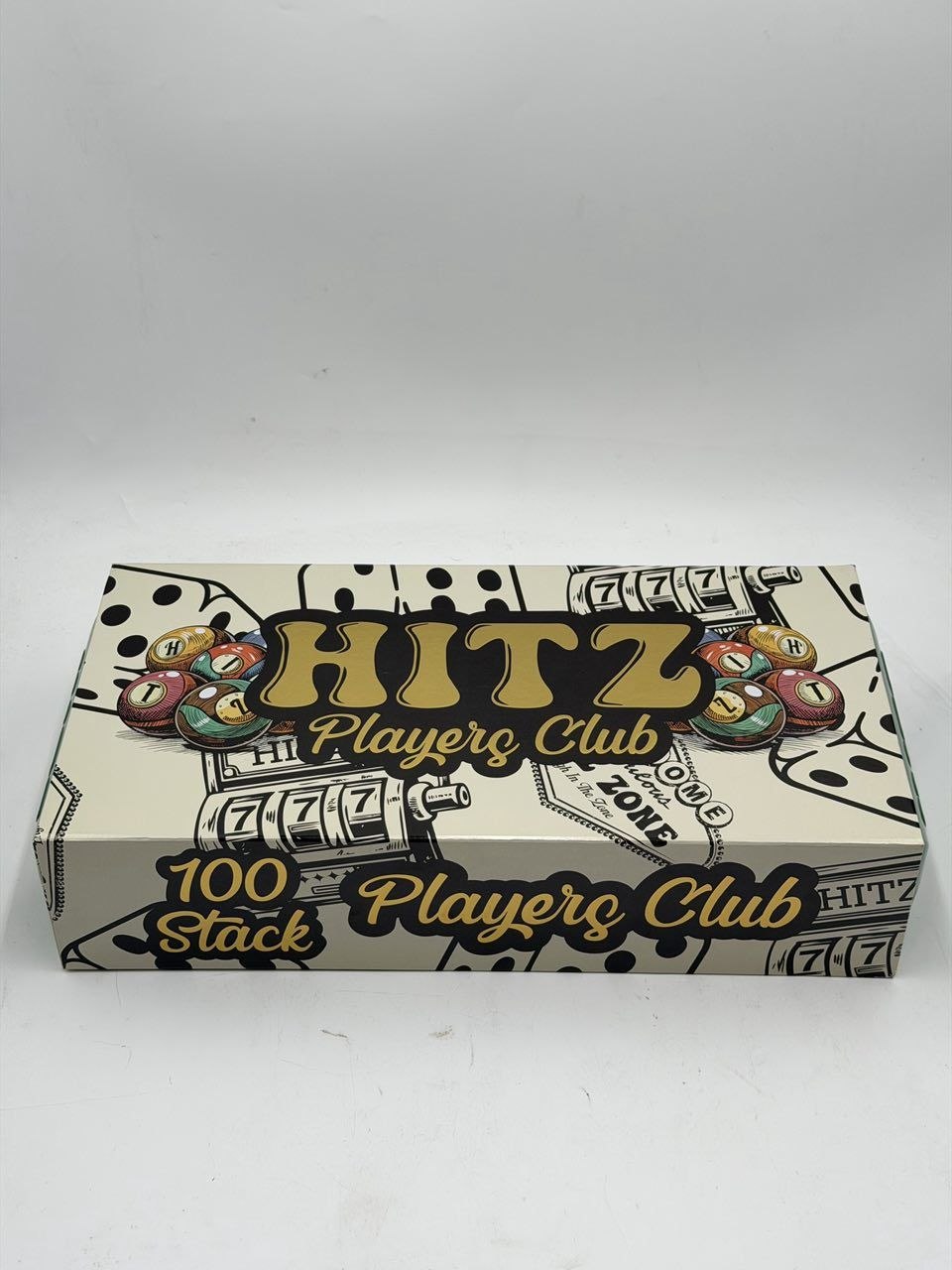
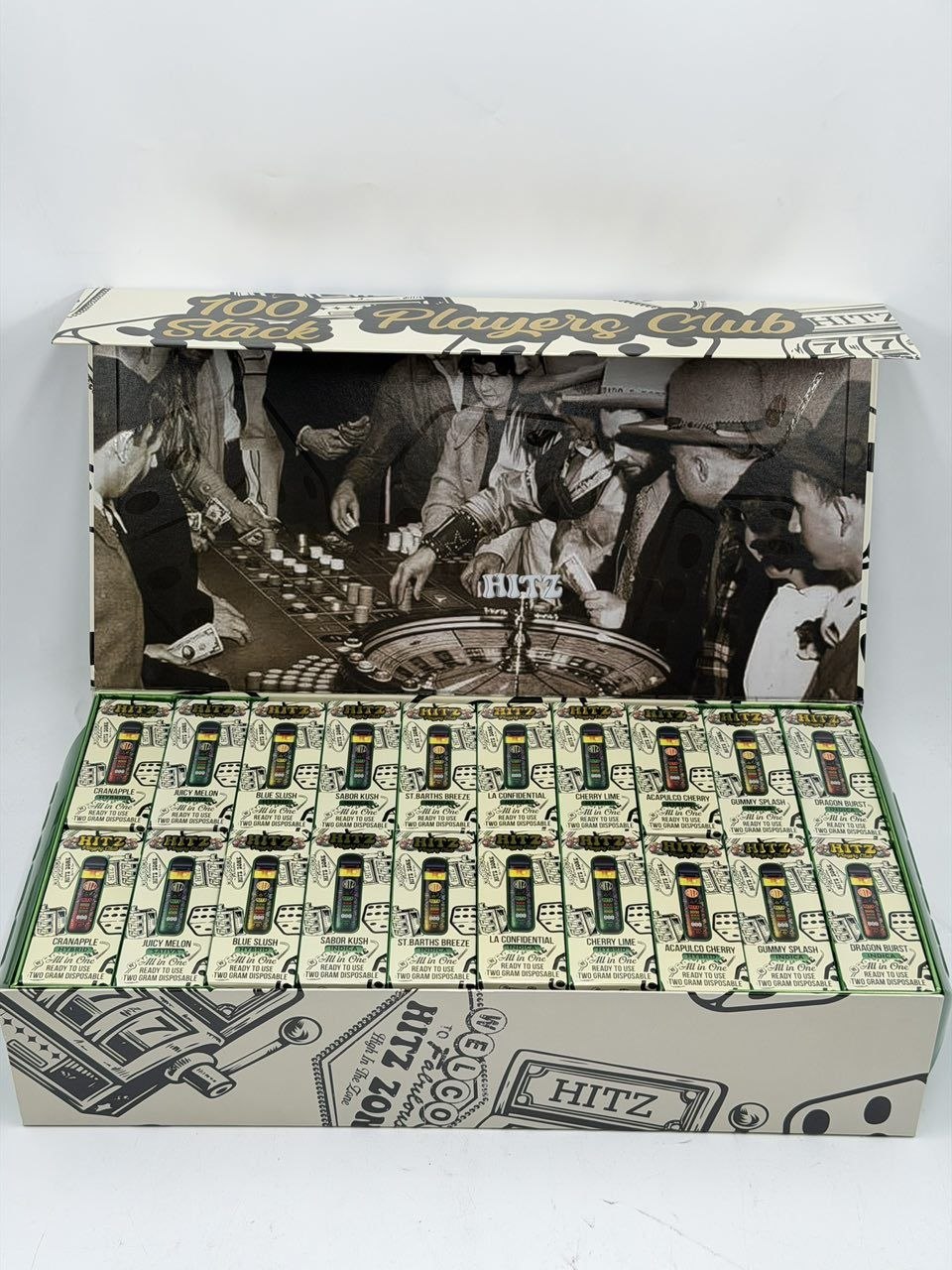

Hitz 2G Disposable Player Club: Factual Product Overview
Introduction
The hitz 2g disposable player club is presented as a compact, disposable vapor-device product. Because product specifications can vary by market, batch, manufacturer, and regulatory jurisdiction, the information below focuses on general product characteristics rather than making unverified claims about ingredients, potency, flavor, battery capacity, or performance.
A product description should give readers a clear understanding of what they are considering without overstating its characteristics. Therefore, specific technical details should always be confirmed against the manufacturer’s current packaging or official product documentation before publication.
In general, a disposable vapor device is designed around convenience. Unlike a traditional reusable vaporizer, a disposable unit typically arrives as a self-contained device that does not require the user to purchase a separate battery, cartridge, or tank. The device is intended to be used until its contents or usable battery life are exhausted, after which the entire unit is disposed of according to applicable local requirements.
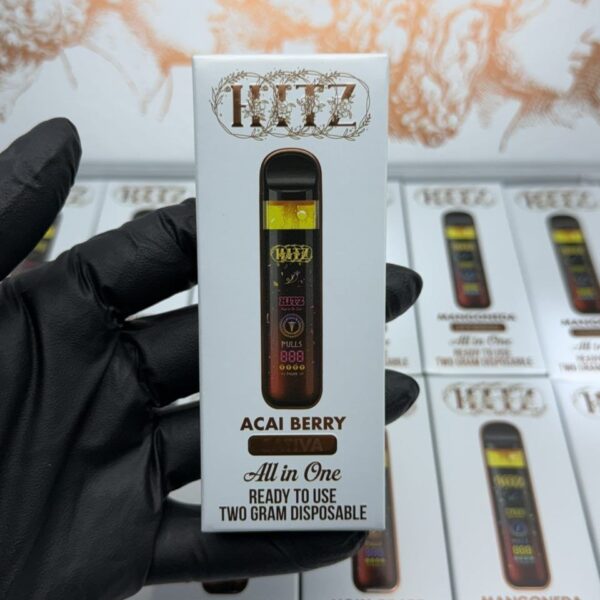
The “2G” designation commonly indicates a stated two-gram product capacity. However, that designation should not automatically be interpreted as a particular amount of active ingredient. Capacity, extract concentration, total cannabinoid content, and usable material are different measurements. Consequently, any listing should use the exact figures printed on the product’s verified packaging.
hitz 2g disposable player club hitz 2g disposable player club hitz 2g disposable player club hitz 2g disposable player club hitz 2g disposable player club hitz 2g disposable player club hitz 2g disposable player club hitz 2g disposable player club hitz 2g disposable player club hitz 2g disposable player club hitz 2g disposable player club hitz 2g disposable player club hitz 2g disposable player club hitz 2g disposable player club.
Product Format
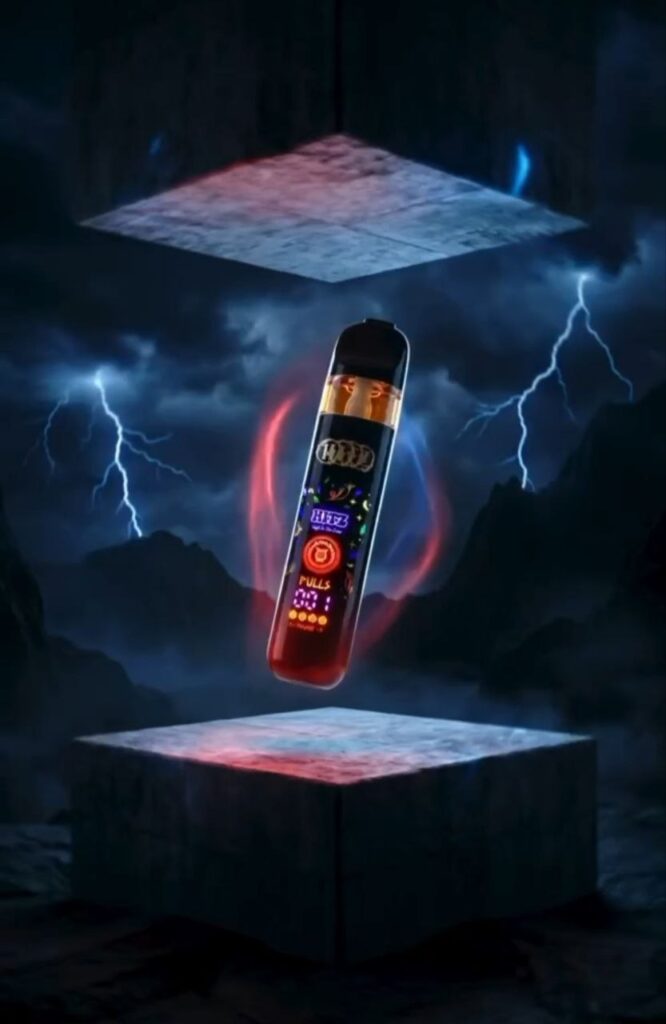
The Hitz 2G Disposable Player Club can be described at a high level as a portable, self-contained disposable vapor device. Its format is intended to reduce the number of separate components involved in using a disposable product.
First, the disposable format places the principal components into one unit. This can simplify storage and handling because the user does not need to carry a separate power source or replaceable cartridge. Additionally, a disposable design can provide a straightforward experience for people who prefer products with fewer individual parts.
At the same time, the disposable format means that the device is not normally intended to be refilled or rebuilt by the consumer. Attempts to open, modify, refill, heat, puncture, or otherwise alter a disposable vapor device can create safety concerns. For that reason, the device should be handled only as directed by the manufacturer.
The stated 2G capacity is an important product-identification detail. Nevertheless, capacity alone does not describe the complete formulation. A responsible product page should therefore distinguish between the amount of material contained in a device and the amount or percentage of any particular active compound.
Where regulatory information is required, the listing should also identify the applicable jurisdiction. Requirements for cannabinoid products can differ substantially between locations. A description that is accurate in one market may not satisfy labeling or advertising requirements in another.
Design and Portability
Disposable vapor products are generally designed with portability in mind. A compact device can be carried more easily than a collection of separate components, although users should still follow all applicable transportation and storage rules.
The physical design of a particular Hitz device should be described using verified information from the package or manufacturer. If dimensions, weight, mouthpiece construction, battery specifications, activation method, or charging features are not independently confirmed, those details should not be presented as established facts.
This distinction improves the reliability of the product description. Instead of assuming that every disposable device has identical hardware, a listing can state only what has been verified.
For example, a retailer may document whether the device uses draw activation, whether it contains an integrated battery, and whether charging is supported. These are meaningful differences because they affect how the product is handled. However, they should be included only when the relevant product documentation confirms them.
Portability also makes storage important. The device should generally be kept in an appropriate location away from excessive heat, moisture, direct sunlight, and conditions that could damage the packaging or hardware. It should also be kept away from children and pets.
Capacity and Product Information
The “2G” label deserves particular attention because consumers may interpret capacity terminology differently.
In product terminology, grams refer to mass. They do not, by themselves, communicate concentration or potency. For example, two grams of a formulation can contain different concentrations of cannabinoids depending on the formulation. Therefore, a product description should avoid converting the 2G designation into a potency claim unless verified laboratory or manufacturer information supports that claim.
Likewise, a statement about total cannabinoid content should not be inferred from the product name. The product name identifies a particular commercial product, while laboratory results and regulatory labeling provide the appropriate basis for chemical composition claims.
Where available, a product page should identify the following information exactly as provided by the manufacturer:
- Net contents
- Cannabinoid concentrations
- Total cannabinoid quantities
- Ingredient information
- Batch or lot identification
- Manufacturing information
- Laboratory-testing information
- Applicable warnings
- Storage instructions
- Manufacturer or distributor information
- Regulatory information
- Age restrictions where applicable
Including these details helps readers distinguish documented specifications from general descriptions.
Ingredients and Formulation
No ingredient list should be invented for the Hitz 2G Disposable Player Club. Different products can use different formulations, and a product’s name does not establish its complete ingredient profile.
If an official ingredient panel is available, the description can summarize it accurately. Similarly, if a certificate of analysis is provided by a reputable testing laboratory, relevant results may be incorporated into a factual specification section.
However, laboratory results should be interpreted carefully. A certificate of analysis can provide information about the tested sample, but the report should correspond to the particular batch or lot being described. Furthermore, testing claims should not be generalized from one batch to every future production run.
A strong product description therefore separates three categories of information: verified specifications, general device characteristics, and information that still requires confirmation.
This approach improves transparency. It also reduces the risk of presenting assumptions as facts.
Device Operation
The operating procedure for a disposable device should follow the manufacturer’s instructions. Different hardware platforms can use different activation systems, airflow configurations, battery arrangements, and safety features.
If the Hitz device is draw-activated, the product documentation should say so. If it uses a button, the official instructions should explain the relevant operation. Likewise, if the unit includes a charging port, the manufacturer should provide appropriate charging instructions.
Consumers should not attempt to disassemble the device to determine its internal construction. Disposable vapor devices can contain batteries and other components that may be damaged through improper handling.
Similarly, a damaged device should not be used. Signs of damage can include a cracked body, leaking material, unusual heat, visible battery damage, or other conditions that differ from the manufacturer’s normal operating guidance.
When a device behaves unexpectedly, the safest approach is to stop using it and consult the manufacturer’s instructions or appropriate customer-support channel.
Packaging and Labeling
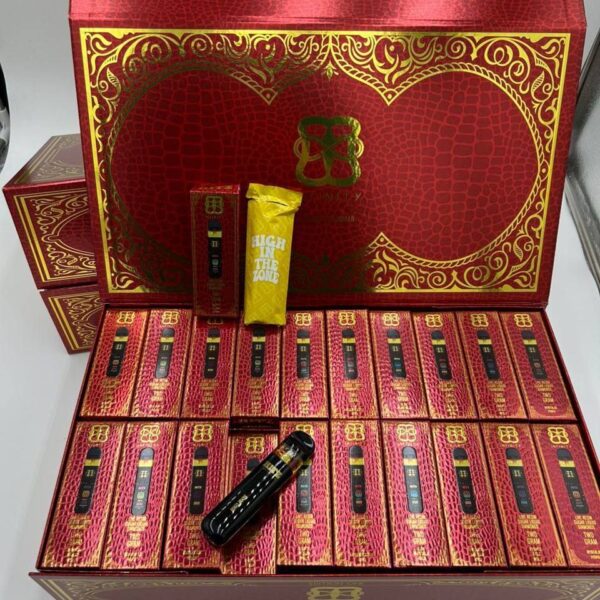
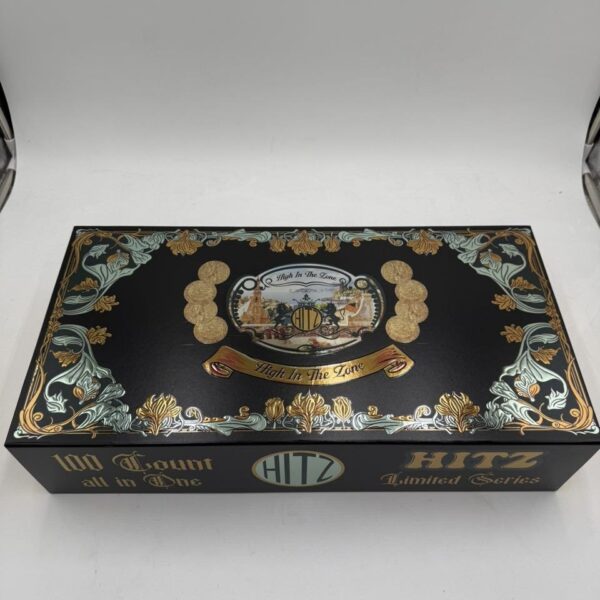
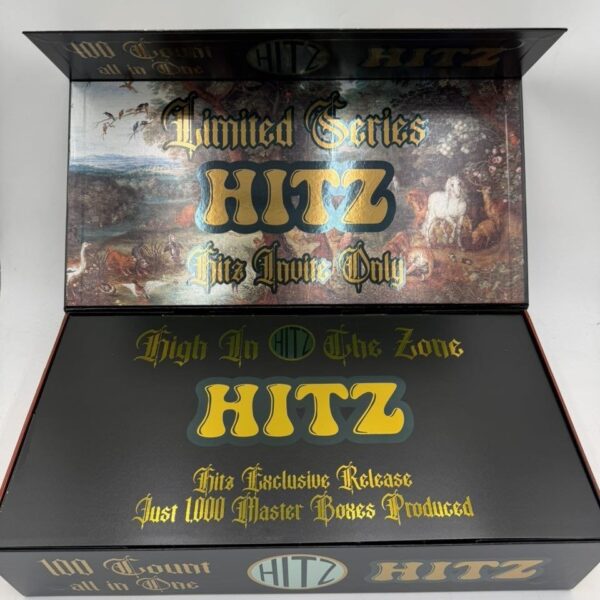
Packaging serves several important purposes. It protects the device during transportation, provides product-identification information, and communicates required warnings.
A complete product description should correspond with the physical package. Product names, quantities, batch numbers, ingredient statements, and regulatory information should be checked carefully before publication.
Packaging may also contain information that is not suitable for reproduction in a simplified product listing. For example, certain jurisdictions require specific warnings, symbols, age restrictions, or disposal instructions. Those requirements should remain intact when the product is offered in a regulated market.
Additionally, a retailer should avoid removing important warnings merely to create a shorter or more attractive description. Clear labeling is more valuable than exaggerated marketing language.
If authenticity is a concern, readers should be directed toward the manufacturer’s official verification process when one exists. Batch information, QR codes, seals, or other authentication features should be described only when their purpose has been confirmed.
Storage and Handling
Proper storage helps preserve product condition and reduces avoidable safety risks.
The device should be kept according to the manufacturer’s storage recommendations. In particular, exposure to excessive heat should be avoided. High temperatures can affect both the formulation and the battery components found in many electronic vapor devices.
Likewise, the product should be protected from unnecessary moisture and physical impact. A disposable device should not be placed somewhere where it can be crushed, punctured, or exposed to conditions outside the manufacturer’s recommended range.
Safe storage is especially important in households containing children or animals. Products containing cannabinoids or other active substances should be stored securely and kept out of their reach.
Furthermore, users should avoid leaving a disposable device in locations where temperature can rise significantly, such as enclosed vehicles or direct sunlight. If the manufacturer provides specific temperature limits, those instructions should take precedence over general storage guidance.
Responsible Product Communication
A readable product description does not need exaggerated claims. Instead, it should explain what the product is, identify verified characteristics, and clearly distinguish documented information from assumptions.
Claims such as “premium,” “strongest,” “instant,” “risk-free,” or “guaranteed” should not be used without appropriate evidence. Similarly, a description should not imply that a cannabinoid product is harmless or suitable for every consumer.
The wording should also avoid presenting subjective effects as guaranteed outcomes. Individual responses to cannabinoid products can vary considerably. Consequently, statements about experiences, effects, or performance should be approached carefully and should comply with applicable advertising requirements.
This is particularly relevant for regulated products. Advertising rules may restrict health claims, youth-oriented language, depictions, testimonials, or statements that encourage excessive consumption. A retailer should therefore review the applicable regulations before publishing promotional material.
Safety Considerations
Safety information should be visible and easy to understand.
Cannabinoid-containing products can have psychoactive effects depending on their formulation. Consumers should read the applicable warnings and product instructions before use. They should also understand the legal requirements governing possession, purchase, use, and transportation in their location.
Products containing intoxicating cannabinoids should not be treated as ordinary consumer electronics. Users should follow applicable laws and should not operate vehicles or machinery while impaired.
Additionally, products should not be modified to increase output or alter their intended operation. Changing hardware or formulation can introduce risks that the original manufacturer did not evaluate.
If a product is damaged, leaking, unusually hot, or otherwise defective, it should not be used. Instead, the user should follow the manufacturer’s instructions for defective products and disposal.
The device should also be kept away from children and pets. Packaging should remain intact until the product is ready to be handled according to its instructions.
Disposal
A disposable product eventually requires disposal. Because these devices can contain batteries and residual material, they should not automatically be placed in ordinary household waste.
Local disposal requirements vary. Some communities provide battery-recycling programs, electronic-waste collection points, or specialized disposal services. Therefore, consumers should consult local waste-management guidance and the manufacturer’s instructions.
The device should never be intentionally burned, punctured, crushed, or dismantled for disposal.
Proper disposal is especially important for products containing lithium-ion batteries or similar rechargeable cells. Battery-related disposal requirements can differ from those for ordinary consumer packaging.
Quality and Verification
Quality claims should be supported by appropriate documentation.
If a manufacturer provides batch-specific laboratory testing, a retailer can use those documents to present verified information about the tested product. Nevertheless, the testing date, batch number, laboratory identity, and reported analytes should be considered when interpreting results.
A certificate of analysis should not be treated as proof that every unit ever sold under the same brand name has identical characteristics. Production can change over time, and different batches may have different results.
For this reason, product listings should be reviewed whenever a new batch, formulation, or package design is introduced.
hitz 2g disposable player club hitz 2g disposable player club hitz 2g disposable player club hitz 2g disposable player club hitz 2g disposable player club
Consumers can also benefit from clear information about where the product originated and who manufactured or distributed it. Traceability can make it easier to address questions concerning quality, labeling, or recalls.
Readability and Product-Page Structure
An effective product description should be easy to scan. Long blocks of uninterrupted text can make technical information difficult to locate. Instead, short paragraphs and descriptive headings allow readers to find the information relevant to them.
For example, a product page can organize information into sections covering format, capacity, specifications, ingredients, handling, storage, safety, and disposal.
Transition words can also improve the relationship between ideas. Words such as “however,” “additionally,” “therefore,” “similarly,” “consequently,” “meanwhile,” and “furthermore” help readers understand how one point connects with the next.
At the same time, transition words should not be inserted simply to satisfy a numerical target. Excessive transitions can make writing feel repetitive or artificial. Natural readability should remain the primary objective.
Passive constructions can also be useful when the action or result matters more than the person performing it. For instance, laboratory results may be reported, packaging may be inspected, and specifications may be verified. Nevertheless, excessive passive voice can make product copy feel distant or vague. A balanced mixture of active and passive constructions generally produces clearer prose.
Information Retailers Should Verify
Before publishing a Hitz 2G Disposable Player Club listing, retailers should verify the exact product information available for the relevant market and batch.
The following checklist can help:
- Confirm the exact product name.
- Confirm the stated net contents.
- Verify the manufacturer and distributor.
- Confirm the ingredient information.
- Check cannabinoid percentages and quantities.
- Verify laboratory-testing information where applicable.
- Confirm the batch or lot number.
- Check the packaging for required warnings.
- Verify age and purchasing restrictions.
- Confirm applicable advertising requirements.
- Check storage instructions.
- Check disposal instructions.
- Confirm whether the device is rechargeable.
- Confirm the activation method.
- Verify any stated hardware specifications.
- Confirm that photographs match the current package.
- Remove outdated specifications.
- Avoid unsupported health or performance claims.
This process is valuable because product descriptions can remain online long after packaging changes. A listing that was accurate several months earlier may no longer represent the current product.
Conclusion
The Hitz 2G Disposable Player Club can be presented as a compact disposable vapor product whose name indicates a stated two-gram capacity. Beyond that basic designation, however, exact claims about formulation, potency, hardware, ingredients, battery characteristics, flavors, or laboratory results should be based on verified product documentation.
A strong description should therefore prioritize accuracy over hype. It should explain the disposable format, distinguish capacity from potency, identify the information consumers should verify, and provide clear guidance about handling, storage, safety, and disposal.
Furthermore, the product page should reflect the laws and regulations applicable to the market in which the product is offered. Cannabis and cannabinoid regulations can differ substantially between jurisdictions, so language that is appropriate in one location may not be appropriate elsewhere.
Ultimately, good product communication gives readers enough factual information to understand the item without making unsupported promises. Clear headings, concise paragraphs, natural transitions, and carefully selected terminology can make the description substantially easier to read. Just as importantly, verified specifications help ensure that the written description corresponds with the physical product.
Because no reliable public specification sheet for the exact “Hitz 2G Disposable Player Club” was located in the available search results, this overview intentionally does not invent technical specifications. Before using it as commercial product copy, replace the general statements with the exact information appearing on the manufacturer’s current packaging, certificate of analysis, or official documentation.








Reviews
There are no reviews yet.