

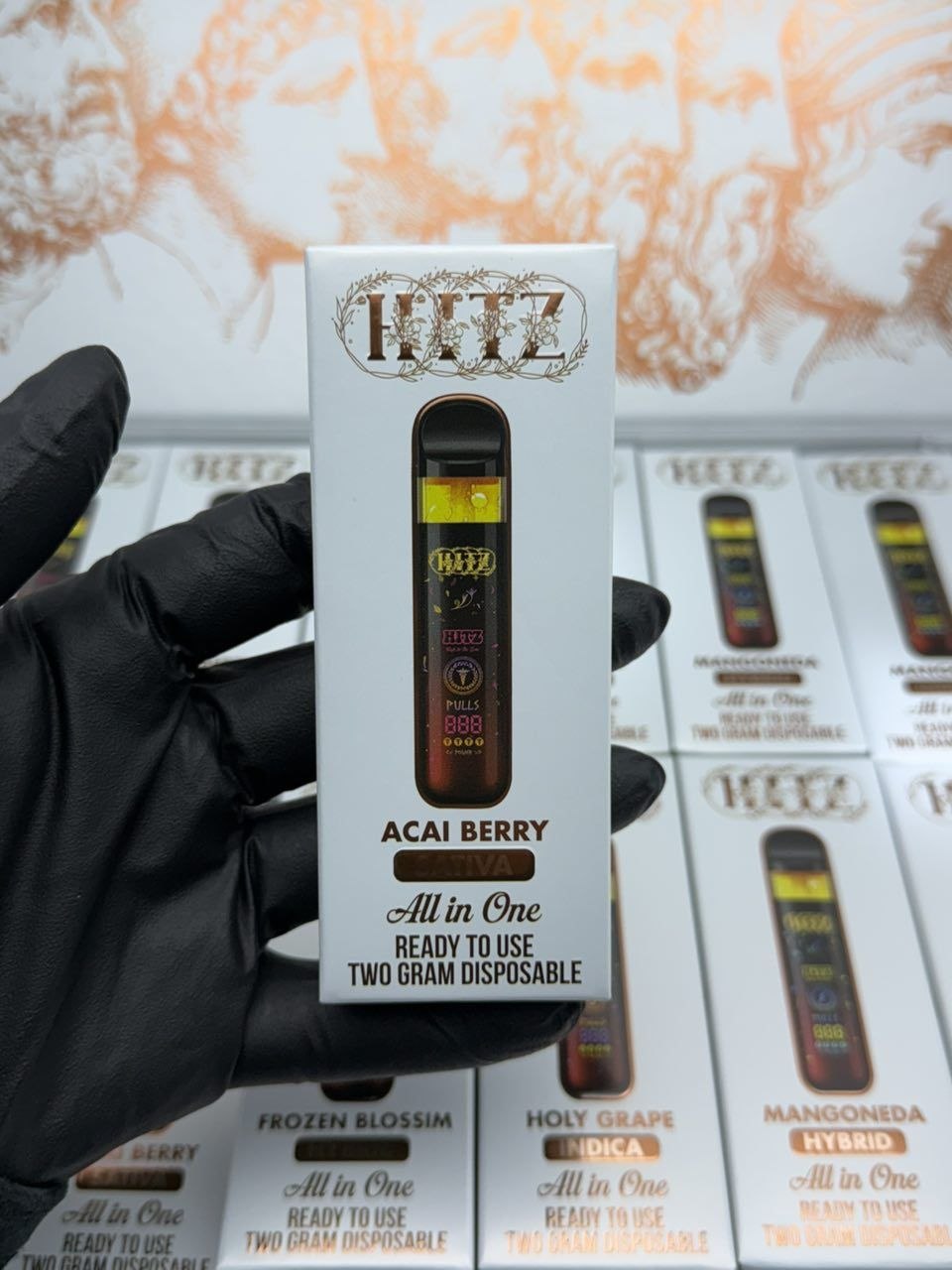


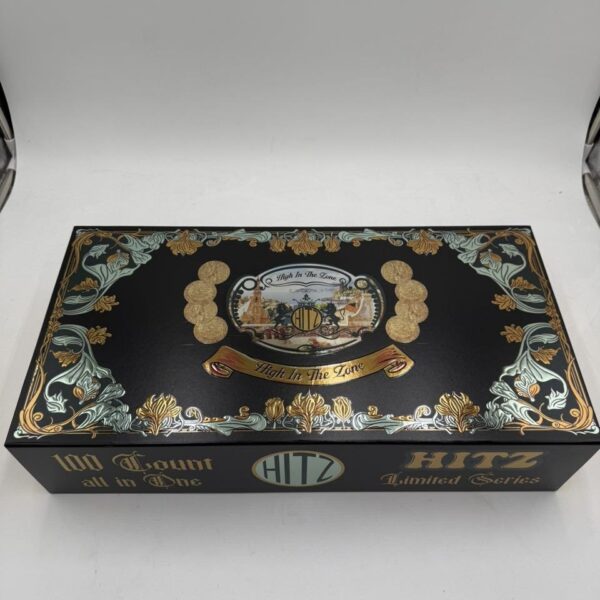
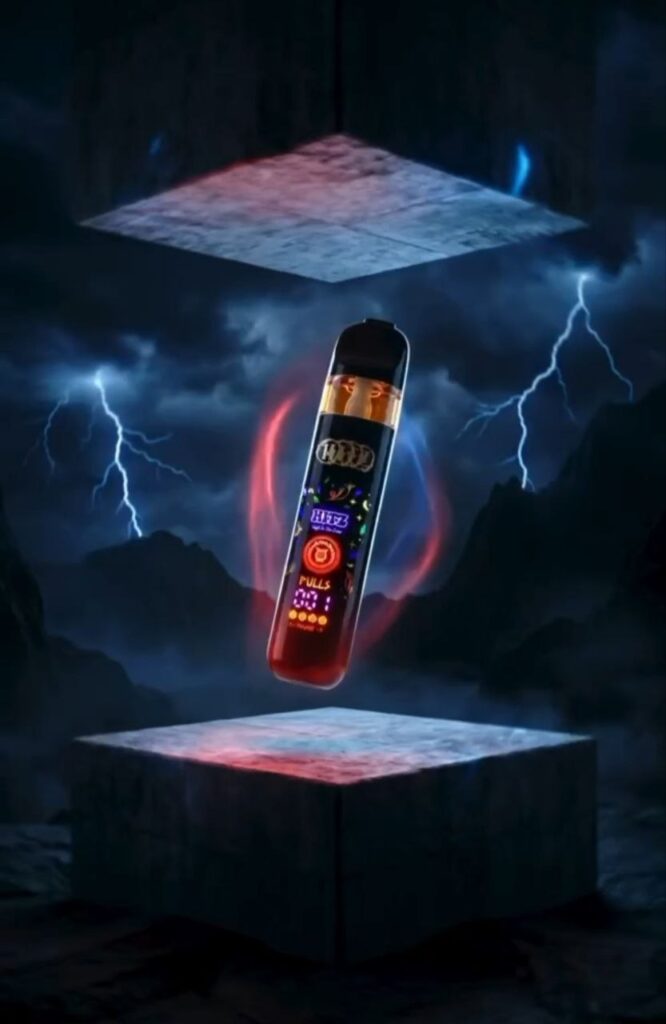
Hitz 2G Disposable Zeus Edition – Neutral Product Information Overview
The hitz 2g disposable zeus edition is a disposable vaporization device identified by its “Zeus Edition” product designation. The device is designed as an all-in-one unit that combines a reservoir, heating element, power source, and mouthpiece within a single housing.
Disposable vaporization devices are generally intended to provide a self-contained format that does not require separate cartridge installation. Product specifications, capacity, battery characteristics, materials, and formulation details may vary depending on the manufacturer and production batch.
General Characteristics
Common characteristics associated with disposable vaporization devices may include:
- Integrated battery system
- Pre-filled reservoir
- Compact design
- Portable construction
- Single-unit configuration
- Draw-activated or button-activated operation, depending on design
Actual features should be verified through official product documentation and packaging.
Device Construction
The device may contain several primary components:
- External housing
- Internal reservoir
- Heating element
- Airflow system
- Battery unit
- Mouthpiece section
The configuration of these components can differ between manufacturers and product versions.
Storage Considerations
Products of this type are generally stored in a cool, dry environment. Excessive heat, moisture, and direct sunlight may affect device condition over time.
Users should follow manufacturer-provided storage recommendations whenever available.
Product Documentation
Consumers should review:
- Product labels
- Ingredient disclosures
- Safety warnings
- Usage instructions
- Manufacturing information
- Compliance documentation
- Laboratory testing information where applicable
Regulatory Information
Requirements for vaporization products vary significantly between jurisdictions. Product availability, labeling standards, testing requirements, and legal status depend on local laws and regulations.
Consumers should consult applicable regulations before purchasing, possessing, transporting, or using such products.
Important Notes
The name “Zeus Edition” functions as a product identifier and may refer to a specific design, release, or product variation. However, naming conventions alone do not provide complete information about ingredients, specifications, or performance characteristics.
For accurate information, consumers should rely on official packaging, manufacturer documentation, and applicable regulatory disclosures.
Device Design and Configuration
Disposable vaporization devices are engineered to integrate multiple functional components into a single compact unit. This design approach reduces the need for separate accessories and simplifies product handling. However, construction methods, materials, and internal technology may vary among manufacturers.
The external housing is commonly designed to protect internal components from routine handling and transportation. Additionally, manufacturers may use different materials depending on design goals, durability requirements, and production standards.
Internal airflow pathways help direct vapor through the device. Furthermore, airflow systems may be configured differently depending on the intended operating characteristics of the product. Because designs vary, users should refer to manufacturer instructions for product-specific information.
Battery and Power System
Most disposable vaporization devices utilize an integrated battery system. The battery is intended to provide power to the heating element throughout the product’s operational lifespan.
Battery capacity can differ between product models. Consequently, operating duration may vary depending on usage patterns, environmental conditions, and device design. Some products include rechargeable batteries, while others are designed for use until depletion without recharging.
Users should follow all safety instructions related to battery-powered devices. Additionally, products should not be exposed to conditions outside manufacturer recommendations.
Heating Technology
Heating systems are a central component of vaporization devices. The heating element converts electrical energy into heat, which interacts with the product contained within the reservoir.
Different technologies may be used across products, including ceramic-based, mesh-based, or other heating configurations. Moreover, heating characteristics can vary according to engineering design and manufacturing specifications.
Because performance depends on multiple variables, users should consult official documentation for accurate technical information.
Product Identification and Traceability
Many regulated products include identification details that assist with traceability and quality control. These details may include:
- Batch numbers
- Production codes
- Packaging dates
- Manufacturing information
- Compliance markings
Furthermore, traceability systems can support inventory management, quality assurance procedures, and regulatory compliance.
Packaging Standards
Packaging serves several functions beyond product presentation. In many jurisdictions, packaging is required to contain important information regarding product contents, safety notices, and regulatory requirements.
Common packaging information may include:
- Product designation
- Net quantity
- Manufacturer details
- Usage instructions
- Safety warnings
- Storage recommendations
- Compliance statements
Additionally, packaging requirements may differ significantly depending on regional regulations.
Product Lifecycle Considerations
Disposable devices are generally designed for a finite operational lifespan. Once the product has reached the end of its intended use period, disposal procedures should follow local waste management guidelines.
Furthermore, products containing batteries may be subject to special disposal requirements. Consumers should consult local regulations regarding battery recycling and electronic waste management.
Consumer Information and Verification
Before obtaining any regulated product, consumers should review available documentation carefully. Reliable information sources may include:
- Official manufacturer materials
- Regulatory disclosures
- Product labels
- Laboratory reports where applicable
- Compliance documentation
Moreover, verification helps ensure that product information is accurate and current.
Safety Awareness
Battery-powered consumer products should always be handled according to manufacturer instructions. Users should avoid modifying the device or attempting repairs unless explicitly authorized by the manufacturer.
Additionally, products should be stored securely and kept away from conditions that could compromise safety or product integrity.
The Hitz 2G Disposable Zeus Edition is identified as a disposable vaporization device product variant. Characteristics, specifications, and operational details depend on manufacturer documentation, regulatory requirements, and production standards.
Because product information may change over time, consumers should rely on official labeling and current documentation when evaluating specifications, compliance details, and handling recommendations.
The Hitz 2G Disposable Zeus Edition is a disposable vapor device identified by the product name “Zeus Edition.” The device is designed as a self-contained unit that may include an integrated power source, internal reservoir, heating component, airflow system, and mouthpiece.
Product specifications, ingredients, capacity, and operational characteristics may vary depending on the manufacturer, production batch, and applicable regional regulations. Users should consult official product documentation for the most accurate information.
Product Format
The device is categorized as a disposable vapor product. Disposable devices are generally intended for single-product use and are typically discarded in accordance with local electronic waste regulations once they reach the end of their service life.
Common characteristics may include:
- Pre-assembled construction
- Integrated battery system
- Internal reservoir
- Compact design
- Portable form factor
- Ready-to-use configuration
Actual features should be verified through manufacturer-provided specifications.
Device Components
A disposable vapor device may contain the following components:
- Outer housing
- Battery cell
- Heating element
- Airflow pathway
- Mouthpiece
- Internal reservoir
- Electronic circuitry
Component materials and design may vary between manufacturing runs.
Capacity Information
The “2G” designation generally refers to the product’s stated capacity. However, exact measurements, formulations, and content specifications should be confirmed through product labeling and official documentation.
Consumers should review package information for precise details regarding capacity and composition.
Construction and Design
The Zeus Edition designation may indicate a specific design variant within a broader product line. Design elements can differ between versions and may include variations in:
- Exterior appearance
- Dimensions
- Finish materials
- Airflow configuration
- Battery specifications
- Device ergonomics
Visual appearance should not be used as the sole indicator of product performance or technical specifications.
Labeling Information
Product packaging may provide information regarding:
- Product identification
- Batch or lot number
- Manufacturing information
- Capacity details
- Ingredient information
- Regulatory notices
- Safety warnings
- Compliance references
Users should carefully review all labeling before handling or operating the device.
Storage Guidelines
Appropriate storage practices may help maintain product condition.
General recommendations include:
- Store in a cool, dry location
- Avoid excessive heat exposure
- Protect from direct sunlight
- Keep away from moisture
- Store out of reach of children and pets
Storage requirements may differ depending on manufacturer guidance.
Safety Considerations
Users should follow all instructions supplied with the device.
General safety considerations may include:
- Do not modify the device.
- Do not use damaged products.
- Follow applicable regulations.
- Keep away from water and excessive heat.
- Dispose of components responsibly.
Additional safety information may be provided on the product packaging.
Environmental Considerations
Disposable vapor devices may contain batteries and electronic components that require responsible disposal.
Recommended practices include:
- Following local recycling requirements
- Using approved electronic waste programs where available
- Separating batteries when required by local regulations
- Avoiding disposal methods prohibited by local authorities
Environmental regulations vary by jurisdiction.
Regulatory Information
Vapor product regulations differ across countries, states, provinces, and municipalities. Applicable requirements may include:
- Age restrictions
- Product registration requirements
- Packaging standards
- Labeling regulations
- Distribution controls
- Retail sales restrictions
Consumers and retailers should comply with all relevant laws and regulations.
Frequently Asked Questions
What does “2G” refer to?
The term generally refers to the product’s stated capacity. Exact specifications should be verified through official product information.
What is the Zeus Edition?
The Zeus Edition appears to be a product designation or model variation. Specific features depend on the manufacturer’s documentation.
Is the device rechargeable?
Rechargeability depends on the model specifications. Users should consult official product instructions for accurate information.
How should the device be stored?
Store the device in a cool, dry environment away from direct sunlight, excessive heat, moisture, children, and pets.
Where can technical specifications be verified?
The most reliable sources are the product packaging, manufacturer documentation, and applicable compliance materials.
This document is intended solely for informational and educational purposes. It does not constitute product promotion, health advice, or purchasing guidance. Product specifications, features, and legal status may vary by manufacturer, batch, and jurisdiction.
Certainly. Here’s a continuation of the neutral, informational product document:
Product Lifecycle Considerations
Like many electronic consumer devices, the Hitz 2G Disposable Zeus Edition has a finite operational lifespan. The duration of use may depend on several factors, including storage conditions, battery performance, environmental exposure, and product design.
Furthermore, product longevity may vary between manufacturing batches. Therefore, consumers should follow all manufacturer recommendations regarding handling, storage, and disposal.
Quality Control Procedures
Manufacturers may implement quality control measures throughout production. These procedures can help verify consistency, product integrity, and regulatory compliance.
Quality control activities may include:
- Component inspections
- Assembly verification
- Packaging checks
- Label accuracy reviews
- Batch tracking procedures
- Documentation audits
However, specific quality assurance practices differ among manufacturers and production facilities.
Product Traceability
Traceability systems are commonly used within regulated industries to support product accountability and record management.
Product traceability information may include:
- Batch identification numbers
- Production records
- Distribution tracking data
- Manufacturing dates
- Packaging records
Consequently, traceability systems can assist with inventory management and regulatory reporting requirements.
Packaging Specifications
Packaging serves several important functions, including product protection, information delivery, and regulatory compliance.
Packaging may be designed to:
- Protect internal components
- Display required warnings
- Provide product identification
- Preserve product condition during transport
- Support inventory tracking
Additionally, packaging requirements often vary according to local regulations.
Transportation and Handling
Transportation conditions may influence the condition of electronic devices. Therefore, products should generally be handled in accordance with manufacturer recommendations.
Important considerations may include:
- Avoiding excessive heat exposure
- Minimizing impact damage
- Protecting the device from moisture
- Maintaining packaging integrity during transport
Proper handling practices can help reduce the risk of product damage.
Consumer Documentation
Product documentation may provide detailed information regarding:
- Device specifications
- Intended use information
- Storage recommendations
- Safety notices
- Regulatory disclosures
- Manufacturer contact details
Moreover, consumers should retain documentation for future reference whenever possible.
Industry Standards and Compliance
Electronic vapor devices may be subject to various industry standards and regulatory requirements depending on the region of sale.
Applicable standards may address:
- Product labeling
- Manufacturing controls
- Battery safety
- Packaging requirements
- Consumer information disclosures
- Waste disposal requirements
As a result, compliance obligations can differ significantly across jurisdictions.
Battery Information
Many disposable electronic devices incorporate integrated battery systems. Battery specifications may vary depending on the model and production version.
General battery-related considerations include:
- Protection from excessive temperatures
- Avoidance of physical damage
- Compliance with disposal requirements
- Adherence to manufacturer guidance
Damaged batteries should be handled according to applicable safety recommendations and local regulations.
Electronic Waste Management
Electronic products contribute to waste streams when they reach the end of their service life. Consequently, responsible disposal practices play an important role in environmental management.
Recommended disposal approaches may include:
- Electronic waste collection programs
- Approved recycling facilities
- Municipal recycling services
- Manufacturer-supported recycling initiatives where available
Consumers should review local regulations regarding electronic waste disposal.
Record Keeping and Regulatory Documentation
In regulated markets, manufacturers, distributors, and retailers may be required to maintain records related to:
- Product sourcing
- Manufacturing activities
- Distribution processes
- Compliance documentation
- Quality assurance procedures
These records may support regulatory oversight and product accountability.
The Hitz 2G Disposable Zeus Edition is a disposable electronic vapor device identified by its Zeus Edition designation and stated 2G capacity. Product characteristics, technical specifications, and regulatory requirements may vary depending on the manufacturer, region, and production batch.
Consumers should rely on official packaging, manufacturer documentation, and applicable regulations for the most accurate and current information. Furthermore, responsible storage, handling, and disposal practices can help support product integrity and environmental compliance.
This informational document is provided solely for educational and reference purposes. It does not promote, advertise, or recommend the use of vapor products. Product specifications, features, legal status, and compliance requirements may vary by jurisdiction and manufacturer. Users should consult official product documentation and local regulations for the most current information.
Hitz 2G Disposable Zeus Edition: Educational Product
The Hitz 2G Disposable Zeus Edition belongs to a category of integrated vaporization devices that combine multiple functional components into a single portable unit. Products within this category are commonly designed to include an internal reservoir, battery system, heating element, airflow pathway, and protective housing. This educational overview examines the broader product category, manufacturing considerations, packaging practices, quality-control procedures, and industry developments without promoting use or purchase.
Product Category Overview
Disposable vaporization devices are self-contained products that generally require no external cartridges or refillable components. Manufacturers often develop these devices to simplify storage, transportation, and inventory management while maintaining a compact design.
The “2G” designation typically refers to the product’s stated capacity. However, specifications can vary among manufacturers, production runs, and regulatory jurisdictions. Consumers should rely on official labeling and manufacturer documentation when reviewing product information.
Device Construction
Most disposable vaporization devices contain several key components:
- Internal reservoir
- Heating element
- Power source
- Airflow system
- Mouthpiece
- Exterior housing
Each component contributes to overall device functionality. Design decisions related to component placement, materials, and manufacturing methods can influence durability, consistency, and operational performance.
Zeus Edition Branding
Special edition product names are commonly used across many consumer industries. Terms such as “Zeus Edition” may function as product identifiers that distinguish one release from another within a manufacturer’s catalog.
Branding elements may include:
- Product naming systems
- Packaging variations
- Visual design themes
- Batch identifiers
- Seasonal releases
These identifiers help manufacturers organize product lines and improve product recognition.
Manufacturing Process
Production typically involves several sequential stages. While procedures vary among manufacturers, common steps often include:
- Component sourcing
- Device assembly
- Reservoir preparation
- Filling operations
- Functional testing
- Packaging
- Quality verification
Manufacturing facilities frequently document these processes to support traceability and compliance requirements.
Quality-Control Systems
Quality-control programs are designed to evaluate consistency throughout production. Manufacturers may implement inspections, testing procedures, and documentation systems to monitor production activities.
Quality-control activities may include:
- Incoming material inspections
- Assembly verification
- Packaging inspections
- Functional evaluations
- Documentation reviews
The scope of quality assurance programs often depends on regulatory requirements and internal manufacturing standards.
Packaging and Product Information
Packaging serves several important functions within regulated markets. It protects products during transportation and storage while also communicating important information to consumers.
Packaging may contain: hitz 2g disposable zeus edition hitz 2g disposable zeus edition hitz 2g disposable zeus edition hitz 2g disposable zeus edition hitz 2g disposable zeus edition hitz 2g disposable zeus edition hitz 2g disposable zeus edition hitz 2g disposable zeus edition hitz 2g disposable zeus edition hitz 2g disposable zeus edition hitz 2g disposable zeus edition hitz 2g disposable zeus edition hitz 2g disposable zeus edition.
- Product identification
- Batch numbers
- Manufacturing dates
- Safety information
- Storage recommendations
- Regulatory disclosures
Requirements vary according to applicable laws and regulations.
Storage Considerations
Environmental conditions can influence both device components and packaged products. Manufacturers commonly provide storage guidance intended to maintain product integrity.
General recommendations may include:
- Avoiding excessive heat exposure
- Limiting direct sunlight
- Maintaining stable temperatures
- Preserving original packaging
- Following manufacturer instructions
Specific guidance should always be reviewed through official product documentation.
Traceability Systems
Traceability programs help connect finished products with production records and quality documentation. These systems support inventory management, compliance efforts, and supply-chain transparency.
Information commonly tracked includes:
- Batch identification
- Production dates
- Inspection records
- Distribution data
- Packaging information
Comprehensive documentation contributes to accountability throughout the product lifecycle.
Industry Developments
Manufacturers continue exploring new technologies related to battery systems, airflow engineering, component design, and production efficiency. Innovation efforts frequently focus on:
- Improved manufacturing consistency
- Enhanced quality-control procedures
- Sustainable packaging initiatives
- Advanced traceability systems
- Greater operational efficiency
These developments contribute to ongoing changes across the broader portable-device industry.
Regulatory Considerations
Regulations governing product manufacturing, packaging, testing, and distribution vary among jurisdictions. Compliance programs help manufacturers meet established standards while supporting consumer information requirements.
Areas commonly addressed by regulations include: hitz 2g disposable zeus edition hitz 2g disposable zeus edition hitz 2g disposable zeus edition hitz 2g disposable zeus edition hitz 2g disposable zeus edition hitz 2g disposable zeus edition hitz 2g disposable zeus edition hitz 2g disposable zeus edition hitz 2g disposable zeus edition hitz 2g disposable zeus edition hitz 2g disposable zeus edition hitz 2g disposable zeus edition.
- Product labeling
- Manufacturing practices
- Documentation standards
- Packaging requirements
- Inventory controls
- Recordkeeping procedures
Compliance frameworks continue to evolve as industries and technologies develop.
Conclusion
The Hitz 2G Disposable Zeus Edition represents a category of integrated portable devices characterized by compact construction, multiple internal components, and structured manufacturing processes. Understanding device engineering, packaging systems, traceability programs, storage considerations, and quality-control procedures provides useful context regarding how products in this category are developed and managed. Product-specific characteristics may vary according to manufacturer specifications, production methods, and regulatory requirements.










Reviews
There are no reviews yet.